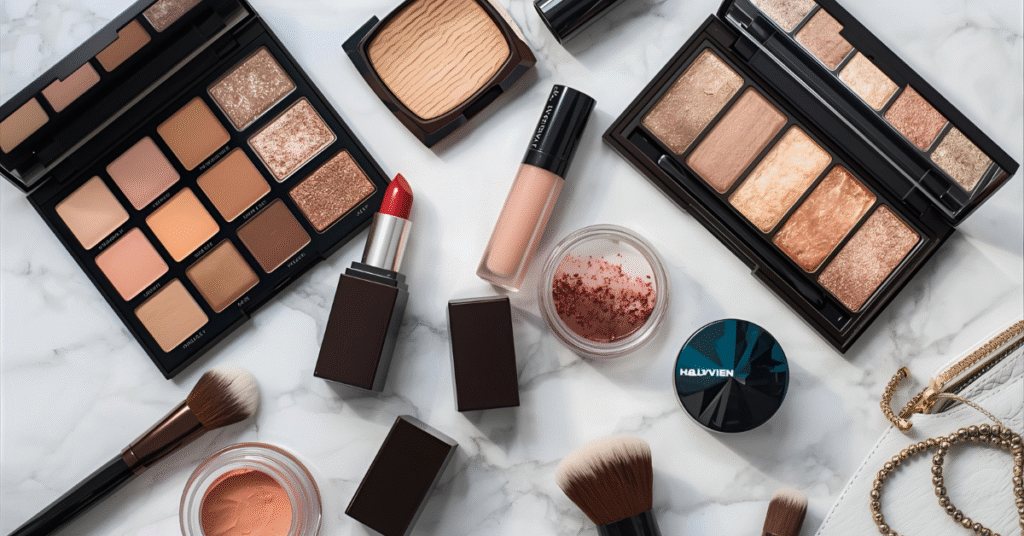
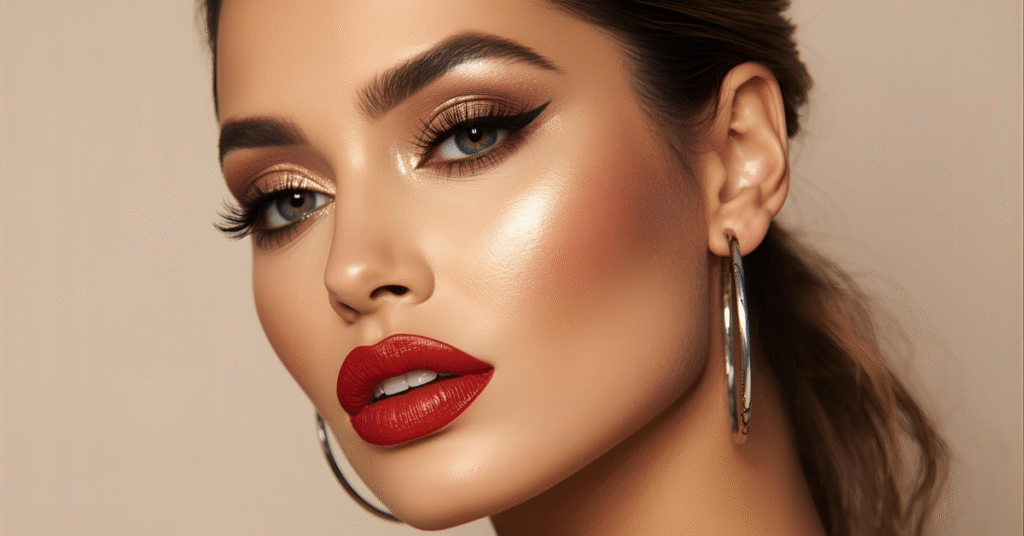
Smokey Eye Makeup is one of the most iconic and versatile eye looks in the beauty world, loved for its depth, drama, and ability to suit almost every face shape and skin tone. From classic black smudged eyes to modern brown and bronze blends, this style has evolved into countless wearable variations. Whether you are attending a wedding, a party, or creating content for social media, mastering this look can instantly elevate your appearance and confidence.
What makes this technique so popular is its adaptability and timeless appeal across cultures and trends. In this guide, you will learn the history, techniques, tools, color selection, blending secrets, and common mistakes to avoid. This article is designed to help beginners and professionals alike create flawless eye looks with clarity, confidence, and long-lasting results.
1. What Is Smokey Eye Makeup and Why It Never Goes Out of Style
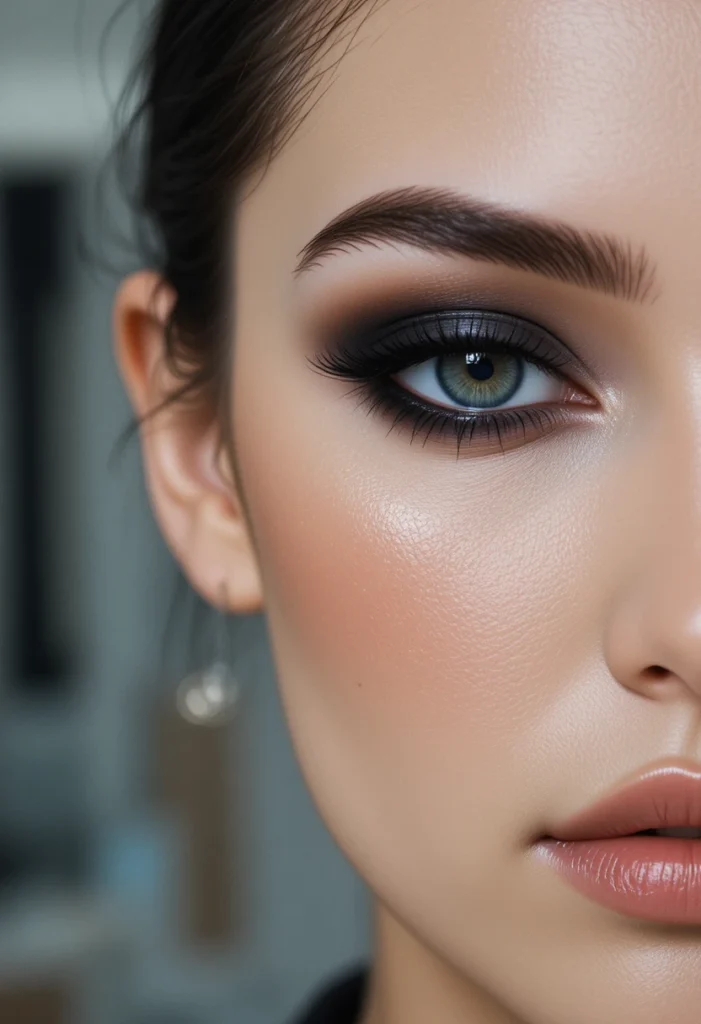
Smokey Eye Makeup is a blending-focused eye technique that creates a soft, diffused gradient around the eyes, usually darker at the lash line and lighter toward the brow bone. Its popularity comes from how it enhances eye shape while adding intensity without harsh lines. Over decades, this style has remained fashionable because it can be subtle for daytime or bold for evenings. Makeup artists appreciate its flexibility, as it works with neutral tones, vibrant shades, and even glitter. The timeless nature of this look ensures it continues to dominate runways, weddings, and everyday beauty routines.
2. Essential Tools Needed for Smokey Eye Makeup Perfection
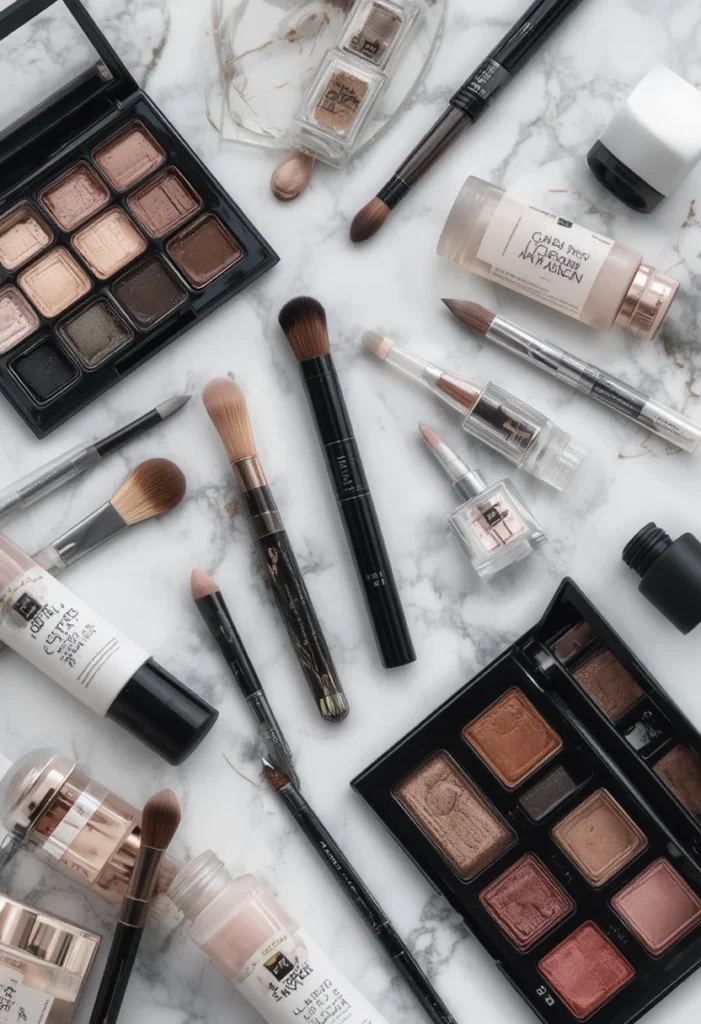
Smokey Eye Makeup requires the right tools to achieve a seamless and professional finish. Quality blending brushes, flat shader brushes, and precise pencil brushes play a major role in creating smooth transitions. An eyeshadow primer helps prevent creasing and enhances pigment payoff, while soft kohl or gel liners add depth near the lashes. Choosing well-pigmented eyeshadows with blendable formulas ensures better control and less patchiness. Clean tools are equally important, as they allow precise color layering and prevent muddy results, especially when working with darker shades.
3. Best Eyeshadow Colors to Use for Smokey Eye Makeup Looks
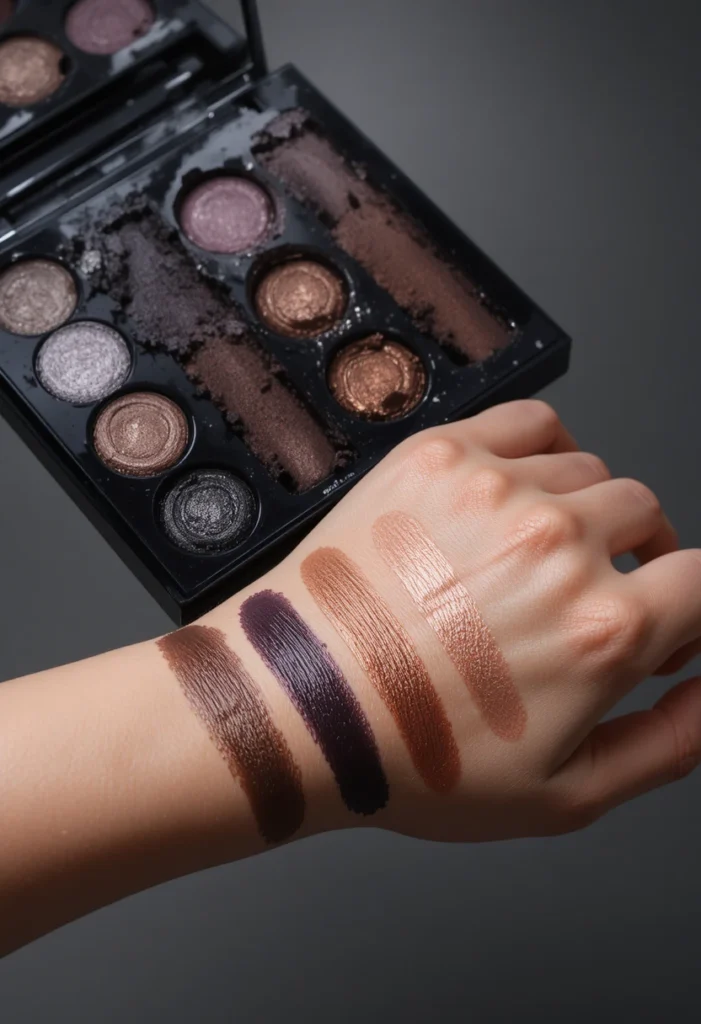
Smokey Eye Makeup is no longer limited to black or charcoal shades. Browns, taupes, bronzes, plums, greens, and even navy tones create stunning effects depending on eye color and skin tone. Warm browns suit everyday wear, while cool greys and silvers create dramatic evening looks. Jewel tones add a modern twist and enhance natural eye color. Selecting matte shades for blending and shimmer for highlighting adds dimension without overpowering the eyes. Color choice plays a key role in making the look flattering rather than heavy.
4. Step-by-Step Technique for Flawless Smokey Eye Makeup
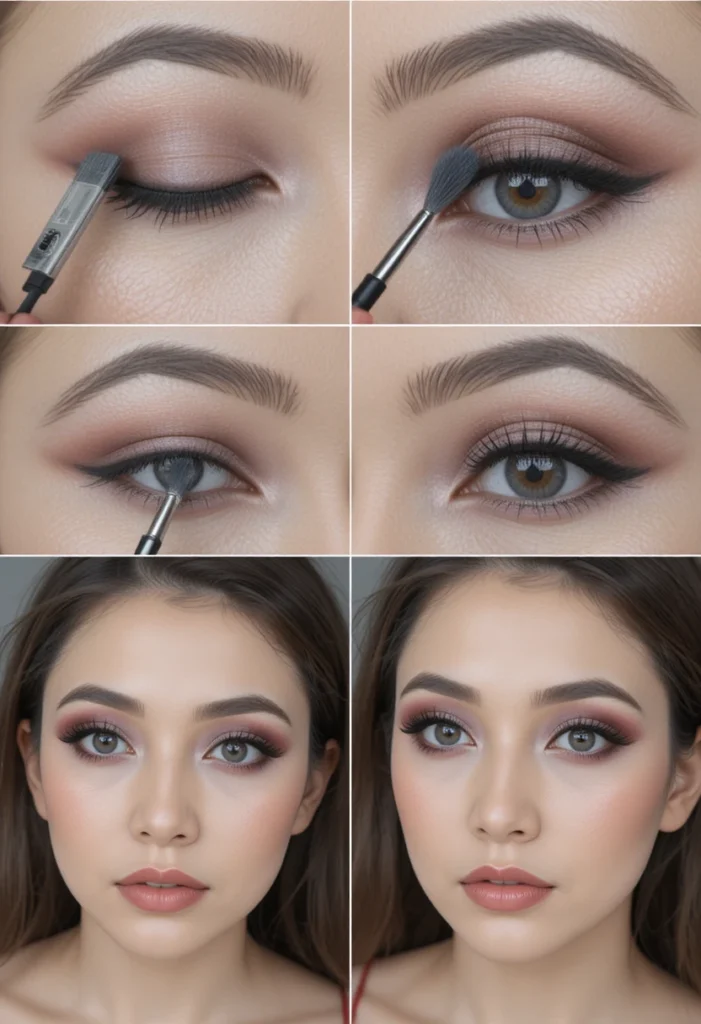
Smokey Eye Makeup is built through gradual layering rather than heavy application. Starting with a neutral transition shade in the crease creates a smooth base. Darker colors are then packed close to the lash line and blended upward using gentle circular motions. The key is patience and light pressure while blending to avoid harsh edges. A subtle highlight on the inner corner and brow bone balances the depth. This controlled process results in a polished look that enhances eye shape without appearing messy or overdone.
5. Common Mistakes to Avoid When Doing Smokey Eye Makeup
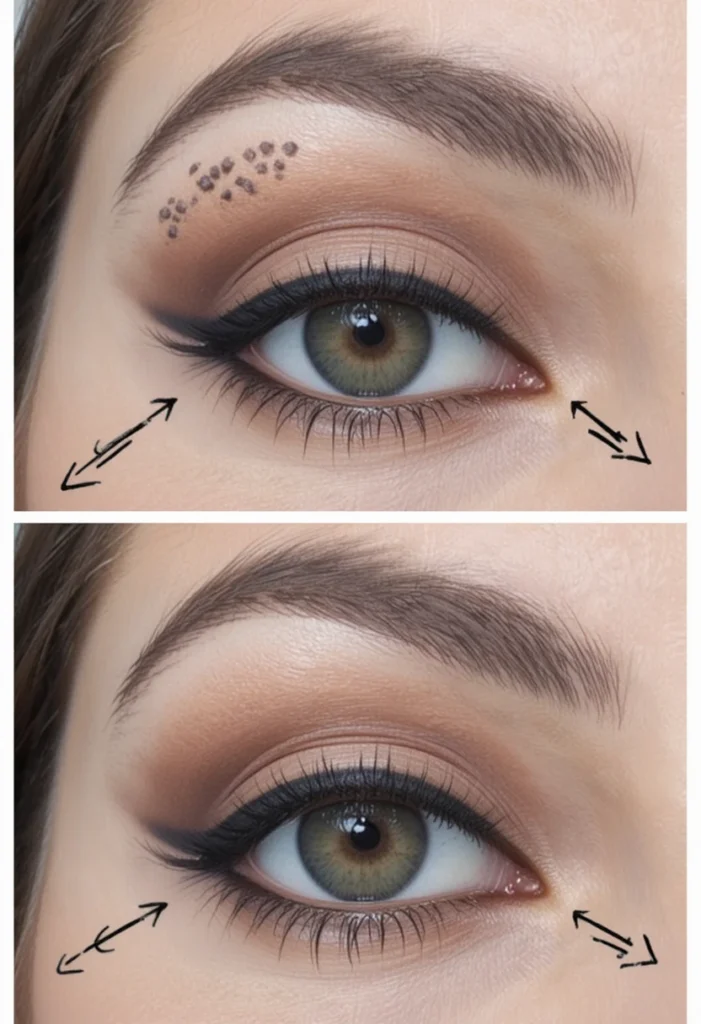
Smokey Eye Makeup can easily go wrong if blending is rushed or product placement is incorrect. One common mistake is applying too much dark shadow at once, making it difficult to soften later. Skipping primer often leads to creasing and fading. Poor brush selection can also cause uneven blending and patchy results. Another frequent error is neglecting balance, where the eyes appear too heavy without proper complexion makeup. Avoiding these mistakes ensures a refined, wearable finish every time.
6. Smokey Eye Makeup for Different Eye Shapes and Skin Tones
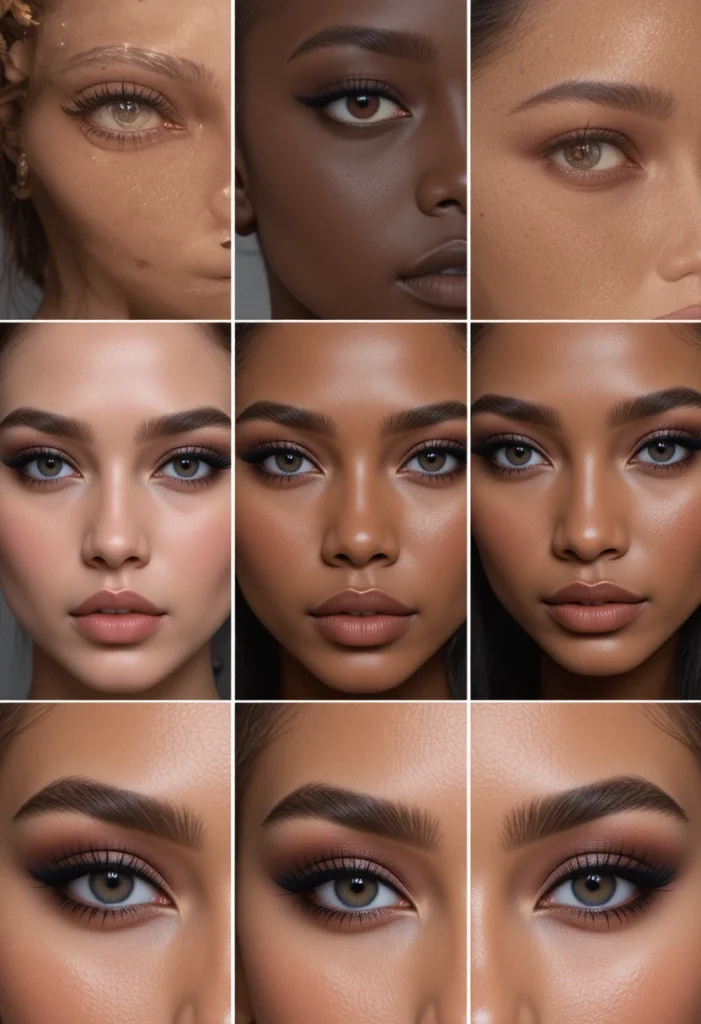
Smokey Eye Makeup should always be customized according to eye shape and complexion. Hooded eyes benefit from upward blending to create lift, while round eyes look best with extended outer corners. Deep-set eyes require lighter center shades to bring them forward. Skin tone also affects shade selection, as warmer tones complement medium to deep complexions, while cool tones suit fair skin. Personalizing the look enhances natural features and ensures the eyes appear defined rather than overwhelmed.
7. Daytime vs Evening Smokey Eye Makeup Variations
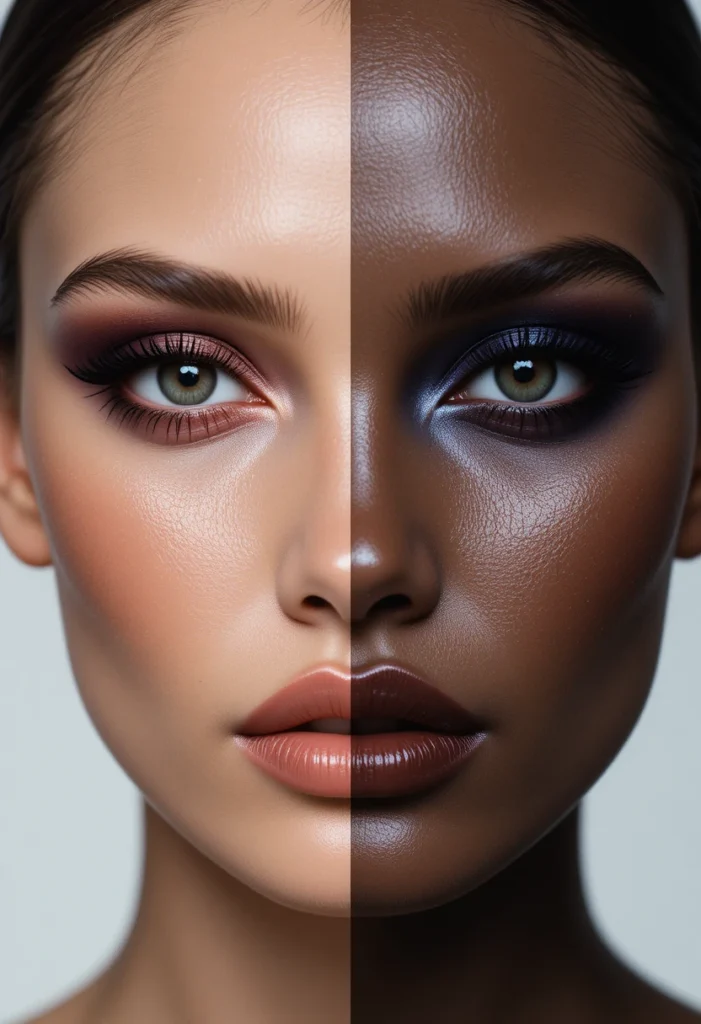
Smokey Eye Makeup can be adapted easily for both day and night wear. Daytime versions use softer browns, taupes, and minimal liner for a clean, professional appearance. Evening looks focus on deeper shades, dramatic blending, and enhanced lashes for intensity. Adjusting color depth and finish allows the same technique to suit different occasions. This versatility is what makes the style a favorite among makeup artists and beauty enthusiasts alike.
8. How to Make Smokey Eye Makeup Last All Day
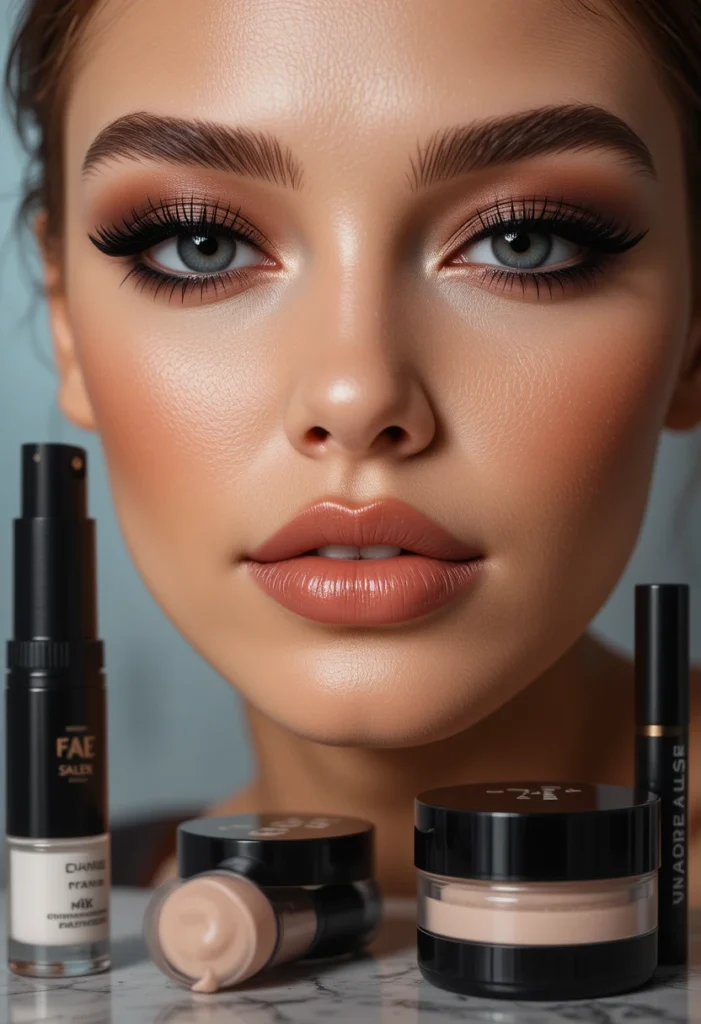
Smokey Eye Makeup longevity depends on proper preparation and finishing techniques. Using a long-wear primer prevents creasing, while layering shadows instead of packing them heavily improves hold. Setting the eye area with translucent powder reduces oil buildup. Waterproof liners and mascaras prevent smudging throughout the day. These small adjustments ensure the look remains fresh, defined, and professional from morning to night without constant touch-ups.
Conclusion
Smokey Eye Makeup remains one of the most powerful techniques for enhancing the eyes with depth, elegance, and versatility. When done correctly, it complements every face shape, skin tone, and occasion without appearing overwhelming.
By understanding tools, color selection, blending methods, and personalization, anyone can master this iconic style. With practice and patience, the look becomes effortless, polished, and a timeless addition to any beauty routine.